Lama Embroidery: Felting & Stitching Class Review
First Impressions and Visual Personality
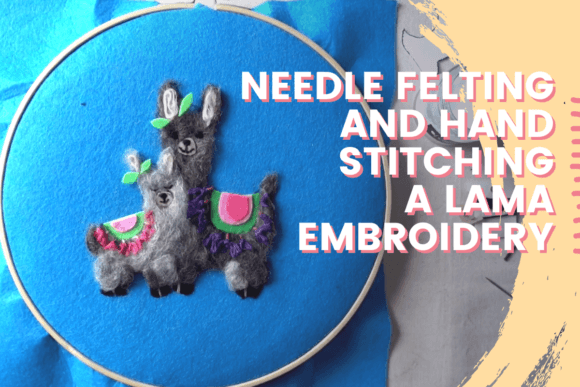
Opening the Creative Fabrica class on Needle Felting and Hand Stitching a Lama Embroidery feels like uncovering a secret workshop technique that bridges cozy craft and boutique fashion. The project, guided by Nicole Clark, pairs soft wool felt with traditional stitching and floral accents using craft felt. The resulting lama has a sweet, approachable face surrounded by textural blooms — a combination that reads as both playful and premium when I imagine it stitched onto a brushed fleece hoodie.
For an apparel decorator, the visual mood lands somewhere between rustic-chic and storybook charm. It isn't overly feminine or cartoonish; the layered needle felting gives the animal's face a fuzzy, tactile depth that machine embroidery alone rarely achieves. The hand-stitched flowers add a deliberate, artisanal touch. This isn't a flat, mass-produced look. It's the kind of detail that makes a customer pause while scrolling through an Etsy shop or a boutique's lifestyle product photos.
Applying the Lama Design to Boutique Apparel
When I sketch out a small spring collection for my online shop, I picture this lama design living on a range of garment blanks. The class doesn't hand you a ready-to-stitch digital file; it teaches the mixed-media process. So you're not locked into one size or colorway. You adapt the technique to your creative vision. That's a huge advantage for a custom apparel brand.
On neutral sweatshirts — think oatmeal, cream, or heather grey — the natural wool tones of the felting blend seamlessly while the brighter thread flowers pop. On pastel hoodies, like lilac or mint, the lama becomes a charming focal point that suits a youthful, feel-good collection. Even dark garments like charcoal or navy can work beautifully if you flip the color palette: use lighter felt for the face and vivid stitching so the design doesn't vanish. I'd probably reserve it for chest placements on oversized hoodies or as a larger center-back statement on a denim jacket. A tote bag would be an easy win too, giving the design a flat, stable surface that simplifies the felting process.
Placement Strategies That Elevate Your Collection
Thinking like a product designer, placement can make or break the boutique feel. With Needle Felting and Hand Stitching a Lama Embroidery, the hand-crafted nature of the finish encourages positioning that highlights its dimensional quality.
- Small left chest: A compact version turns a basic tee or sweatshirt into a quiet, signature piece. Keep the flower cluster tight so details read clearly even when scaled down.
- Sleeve accent: A single lama face on the upper sleeve of a crewneck feels unexpected and high-design, perfect for lifestyle product photos where side angles get attention.
- Full back design: On an oversized hoodie or a denim jacket, a larger composition with flowing floral elements can anchor the entire garment. Just mind the curvature — work on a flat section and consider how the piece drapes when worn.
- Tote bag center: A tote bag offers a forgiving canvas; the sturdy fabric and minimal stretch make it ideal for a first test before moving to clothing.
Handling Fabric Challenges and Structural Details
Any experienced embroidery designer knows that beautiful artwork can turn into a disaster if fabric behavior is ignored. Needle felting and hand stitching introduce specific considerations that differ from pure machine embroidery.
On stretchy or ribbed fabrics, the needle felting risks distorting the knit. Plan to use a cut-away stabilizer behind the design area and test on stretchy scrap before committing. Fleece is friendlier — the felting fibers grab well, but dense stitching can cause tunneling. Lighten the hand-stitched areas and avoid overly tight thread pulls.
If you're applying the class’s design to a curved surface, like the shoulder seam area or near the neckline, the layered felt may not flex comfortably. Stick to flat zones or reinforce with a lightweight interfacing to maintain a smooth drape. Tiny lettering isn’t part of this project, but the flower centers and facial features demand precision; practice on scrap felt before moving to the garment.
Boosting Brand Value and Customer Perception
Integrating a skill like the one taught in Needle Felting and Hand Stitching a Lama Embroidery can shift how buyers see your whole shop. Handmade elements signal care and craft, and a well-executed lama design becomes a recognizable brand signature. When customers open their package and feel the fluffy texture, the perceived value jumps far beyond a standard screen print or basic machine embroidery.
For Etsy sellers and small clothing brands, this also opens up pricing power. Because the technique is labor-intensive, each piece can carry a higher price point. Emphasize the materials — wool felt, hand-stitched embellishments — in your listing descriptions and social media graphics. The story behind the technique sells the product as much as the final image. Visual consistency across a collection (using the same floral palette or frame style for different animal motifs) strengthens brand identity and encourages repeat purchases.
Essential Designer Notes Before You Start
Before you thread a needle or poke a felting barb into a precious blank sweatshirt, a few practical steps will save you from costly mistakes.
- Test on scrap fabric that matches your final garment’s fiber content and weight. Watch how the felted wool behaves after washing — does it pill or distort?
- Check stabilizer choice. A medium-weight tear-away for woven fabrics, a cut-away for knits. For felting, some may prefer a water-soluble topping to hold the wool in place during the punching process.
- Review thread color contrast. Even though this project uses wool felt, the hand stitching threads must pop against both the felt and the garment. Under natural and artificial light, test your palette.
- Confirm your hoop size is unnecessary here, but you’ll want a flat working surface. An embroidery hoop can still help hold the garment taut for the stitching portion, but remove it when felting to avoid hoop marks.
- Inspect stitch density in the hand-stitched areas. Too many tight French knots or dense satin stitches on a thin t-shirt can create an uncomfortable, stiff patch.
- Compare placement options with a printed mockup or a paper cutout pinned to the garment. This class won’t come with a printable mockup file, so you’ll want to photograph your samples for your own listing images.
- Check Creative Fabrica product details and licensing. Since this is a class, not a digital embroidery file, the finished physical items you create are handcrafted products. Still, review Creative Fabrica’s terms around using the learned designs for commercial apparel. If the class includes a pattern template, confirm whether it's allowed for commercial use without additional licensing.
Is This Class Right for Your Creative Business?
As a professional embroidery designer, I gauge every Creative Fabrica resource by how easily it translates into an actual product line. Needle Felting and Hand Stitching a Lama Embroidery isn't a quick-strike machine embroidery file you can batch out. It’s a slower, more tactile process. Use it strategically.
For small-batch or made-to-order shops, this class delivers a skill that sets your apparel apart on crowded platforms. The combination of needle felting and hand embroidery produces a premium, conversational piece that photographs beautifully and gets shared on social media. Pair it with natural cotton tote bags for an entry-level offer, then roll out limited-edition sweatshirt drops with seasonal color tweaks.
If you primarily offer machine-embroidered designs, consider integrating elements from this class — for example, a felted accent on a mostly machine-stitched design — to add texture without a full hand-craft time sink. The knowledge transfers, making your portfolio more versatile.
Before enrolling, confirm the class length and supply list. The description promises guidance from Nicole Clark, and the blend of wool felt and traditional stitching suggests a well-structured, beginner-friendly walkthrough. But as with any online class, your results will depend on practice. I’d advise running through the project twice on scrap fabric before charging a customer, just to lock in the technique.
Ultimately, if you’re building a brand around handmade warmth and storytelling, this Creative Fabrica embroidery class is a valuable tool. It won’t replace your digitized files, but it will give your boutique apparel a distinctive, touchable charm that sparks connection — and repeat sales.