Embroidery and Beading on Vintage Postcards: Designer Review
First Look at the Vintage Postcard Aesthetic
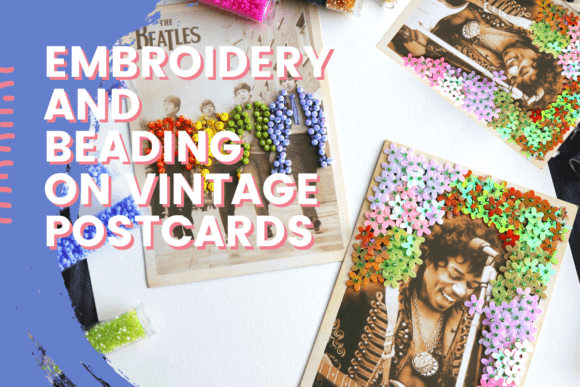
When I first saw the concept behind Embroidery and Beading on Vintage Postcards, I immediately thought of soft, nostalgic textures that could elevate a basic sweatshirt into a storytelling piece. This is not a ready-to-stitch machine embroidery file; it is a guided creative class taught by fiber artist Julia Shore, where you learn to transform a vintage postcard or picture into stitched and beaded art. As an embroidery designer preparing a limited sweatshirt drop for a small boutique brand, I’m reviewing the potential of this mixed-media approach for wearable apparel. The mood is delicate, romantic, and slightly rustic—think faded sepia postmarks, watercolor florals, and handwritten scripts translated into thread and tiny glass beads. It carries an heirloom quality that feels intimate and premium. For a boutique sweatshirt, this could mean moving away from generic bold logos toward a signature piece that customers recognize instantly.
Where This Design Shines on Boutique Sweatshirts
I mapped out how Embroidery and Beading on Vintage Postcards would behave on real garments. On a neutral oatmeal or cream crewneck, the design reads as understated luxury—muted thread tones blend into the fabric, letting the beadwork catch the light softly. Against dark fabric like charcoal or deep pine, the stitching must be adjusted for contrast; I’d choose pearl cotton or a slightly thicker embroidery thread so the postcard motifs don’t disappear. Pastel sweatshirts—dusty rose, lilac, butter yellow—give the piece a feminine, cottagecore feel that’s perfect for spring drops. Oversized hoodies with a chest placement feel instantly cozy and intentional. Sleeve accents, such as a small postcard stamp or a tiny beaded flower near the cuff, add a delightful unexpected detail without overwhelming the silhouette. A full back design works beautifully for the main postcard image, turning the sweatshirt into a canvas. This kind of design pulls double duty in lifestyle product photography: it photographs well flatlay with dried flowers and vintage props, making Etsy listings and Instagram feeds look cohesive and on-brand.
Thread, Fabric, and Stabilizer: The Technical Fit
Turning the class techniques into a production-ready machine embroidery design requires a skilled digitizer. The original artwork must be simplified for stitch efficiency while preserving the vintage feel. Here are critical production concerns I note for my boutique line:
- Thread color contrast: Because vintage postcards often have muted palettes, select threads that are slightly more saturated than the original image to pop on sweatshirt fabric. On dark bases, an underlay of light thread can prevent dullness.
- Stitch density: Beading is usually done by hand after machine embroidery. The machine portion should not be overly dense, or the fabric will ripple on fleece-backed French terry. I keep satin stitches short and add a lightweight fill for stability.
- Fabric thickness: For heavyweight fleece, use a ballpoint needle and a cutaway stabilizer. Soft, drapey sweatshirt knits need extra support so the beadwork doesn’t pull the fabric out of shape.
- Hoop placement: A flat embroidery field is crucial. Side seams and thick ribbing along hems can cause the hoop to slip. I test on scraps first to find the sweet spot.
Can Beading Survive on Wearable Apparel?
This is the biggest concern when moving Embroidery and Beading on Vintage Postcards from framed art to daily-wear garments. Glass seed beads, even when stitched with reinforced thread, can snag or loosen through machine washing. For a commercial product, I recommend two paths: either eliminate beading entirely and let the embroidery stand alone with textured stitches to mimic beads, or hand-bead select areas with washable synthetic beads and include clear care instructions that recommend gentle cycle or hand wash and lay flat. If your boutique brand emphasizes artisanal value, the beaded detail can be a selling point, but you must be transparent about delicacy. Durability of the embroidery itself is excellent with proper digitizing and stabilizer choice. I advise running a wash test on three to five samples before launching your drop.
Color Palettes That Make the Design Pop
Drawing from the vintage postcard inspiration, I built a few palette directions for my sweatshirt collection using thread colors that enhance the mood:
- Sepia tone-on-tone: Pale sand, ecru, and soft taupe threads on a cream sweatshirt create a subtle watermark effect. Ideal for minimalist branding.
- Faded travel nostalgia: Dusty blue, muted olive, and antique gold on a heather grey hoodie. This feels scholarly and gender-neutral.
- Romantic botanicals: Soft rose, sage green, and gold metallic thread with scattered pearl beads on a blush pink oversized sweatshirt. Perfect for a feminine, whimsical brand voice.
- Dark academia: Deep burgundy, black, and smoky grey on a charcoal base. The beading catches low light like old jewelry, giving a moody, textural finish.
Boosting Brand Identity with Handmade Texture
For a small shop or Etsy seller, using a technique derived from Embroidery and Beading on Vintage Postcards does more than decorate a hoodie. It injects handmade product authenticity that mass-produced fast fashion can’t replicate. When customers touch the raised beadwork or see the fine stitches, they perceive higher value. This perceived value builds buyer trust and encourages repeat purchases. The visual recognition of a unique, tactile emblem becomes part of your boutique brand signature. In an Instagram post, the texture catches light differently, stopping the scroll. For a cohesive collection, I’d create a series of postcard motifs—a botanical one, a landscape, a script letter—so repeat customers can collect them across seasons. This ties directly into customer engagement and storytelling.
Practical Advice for Etsy Sellers and Small Shops
Since the original product is a class, not a digital embroidery file, you must budget time to learn the technique, create your own artwork, digitize it, and source beads. Here’s how I’d approach it profitably:
- Start with one iconic postcard silhouette and digitize it as a machine embroidery design that you test rigorously. Build the beading guide as a separate hand-finishing step you or a team member can replicate quickly.
- Offer your sweatshirt in two versions: “Embroidered” (no beads, lower price point, fully machine-washable) and “Beaded Edition” (higher price, clearly marketed as limited and delicate). This widens your customer base.
- Use printable mockup images for your Etsy listing to show scale and placement before you ever produce inventory. Include close-up shots of the stitch texture and beadwork so buyers understand the quality.
- When photographing the finished product, pair it with vintage paper, dried lavender, and soft natural light to reinforce the story the postcard design tells. This makes your design assets work harder across marketing.
- Check any licensing or intellectual property concerns if you directly copy a specific vintage postcard. I always adapt public domain images or use my own photographs to avoid issues.
Final Verdict for a Limited Sweatshirt Drop
As an experienced embroidery designer, I see tremendous creative potential in Embroidery and Beading on Vintage Postcards for boutique sweatshirts. The resulting aesthetic is deeply personal, premium, and highly photogenic—ideal for a small shop that wants to stand out in the crowded custom apparel market. However, it demands more hands-on production time than a standard embroidery-only design. For a limited drop of 20–30 pieces, the labor is manageable and adds to the exclusivity. For scaling, I’d refine the design to an all-machine version that still carries the vintage charm through carefully chosen threadwork and maybe a few decorative stitches. The beaded option remains a lucrative upsell for made-to-order clients. Before committing, I strongly recommend confirming the digitized file’s final stitch count, the hoop size your machine requires, and the exact stabilizer type through test runs on fleece similar to your blanks. This class gives you the artistic foundation, but the finished product for commercial embroidery relies on your digitizing and rigorous testing. For the right brand with a story-driven audience, a vintage postcard-inspired sweater becomes a keeper piece that sells on emotion and texture alike.