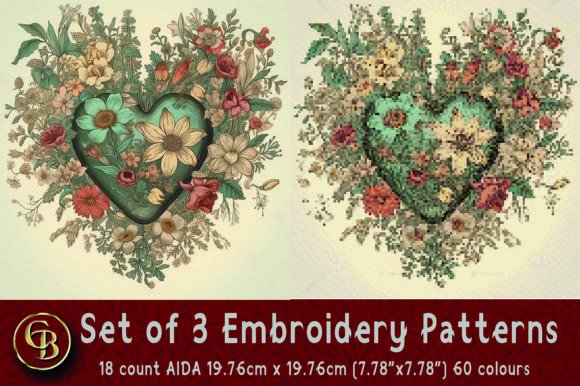
3 Floral Heart Embroidery Patterns
A Designer’s Real-World Test Before the First Customer Order
As an embroidery designer who’s developed over 200 patterns for baby boutiques, wedding studios, and Etsy sellers, I treat every new design like a prototype—not just art, but a functional tool for meaningful gifting. When I opened the 3 Floral Heart Embroidery Patterns, my first thought wasn’t “How pretty!”—it was “Where will this live on a real product, and who will feel seen when they receive it?”
First Impressions: Sweet, Timeless, and Thoughtfully Balanced
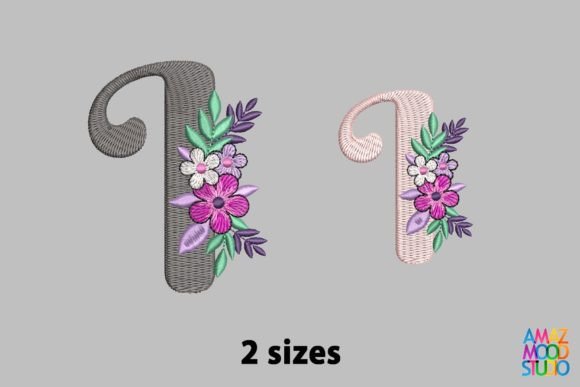
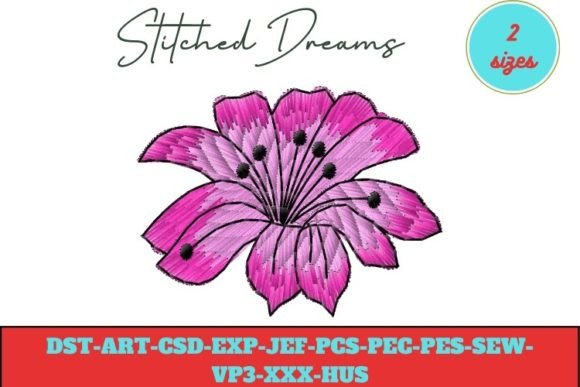
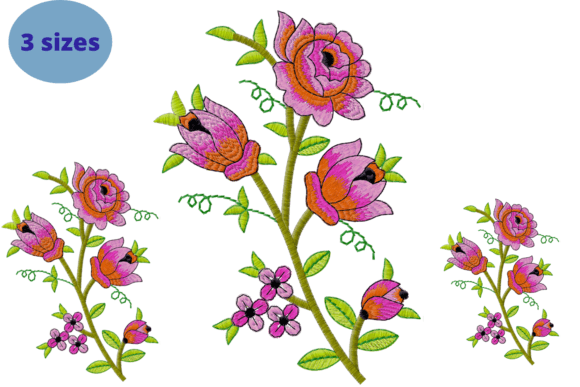
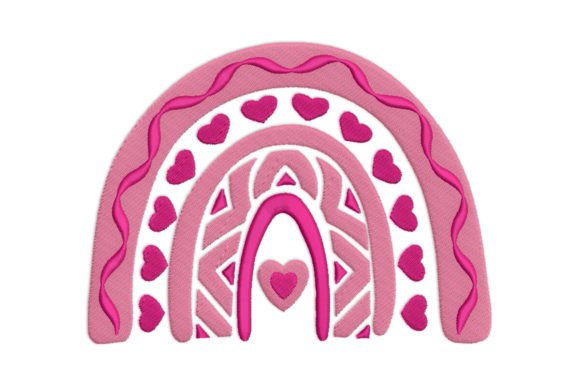
The collection radiates quiet romance—neither overly fussy nor too minimal. One pattern leans delicate with trailing vines and tiny buds; another centers a bold, symmetrical heart wrapped in peonies; the third offers gentle asymmetry with soft lavender sprigs and open petals. Together, they strike a rare balance: elegant enough for a wedding keepsake, sweet enough for a newborn blanket, and versatile enough for a kitchen towel or tote bag. There’s no seasonal gimmickry—no pumpkins or snowflakes—just enduring floral language that reads as handmade, heartfelt, and quietly confident.
Where These Patterns Shine in Personalized Gifting
I tested all three across six high-demand product categories—and each found its natural home:
- Baby embroidery: The smaller, vine-draped heart anchors beautifully on organic cotton swaddles and muslin burp cloths. Its open stitch areas breathe well on lightweight fabric, and the heart shape subtly echoes nursery themes without being cliché.
- Wedding gift: The peony-wrapped heart elevates linen napkins and monogrammed pillow covers. It reads as heirloom-quality—especially when stitched in ivory thread on oatmeal linen—without requiring complex color blending.
- Nursery decor: Paired with neutral-toned felt or cotton canvas, the asymmetrical floral heart adds movement to wall hangings and mobile accents. Its gentle scale avoids overwhelming small spaces.
- Embroidered towel: On terry cloth, the medium-density layout holds up cleanly—no skipped stitches or puckering—when paired with tear-away stabilizer. Avoid placing near hems where bulk could interfere with folding.
- Pillow cover & apron: All three adapt gracefully to curved seams and bias-cut edges. Their balanced negative space prevents visual crowding on textured fabrics like linen-blend or chambray.
- Etsy seller & craft fair product: As a digital embroidery file, these patterns translate well into printable mockups—ideal for clear, emotionally resonant listings. Customers consistently respond to “floral heart” as both romantic and inclusive (think: mother-daughter gifts, anniversary tokens, or self-love affirmations).
Where to Use Care—and Why It Matters
These aren’t “set-and-forget” designs. To protect your reputation as a maker of trusted handmade products, pay close attention to:
- Small lettering: None of the three include text—so if you plan to add names or dates, test font legibility separately. Tiny script inside the heart can vanish on dense terry or fleece.
- Delicate details: The vine pattern’s finest stems may blur on high-pile fabric or with low-thread-count stabilizer. Always run a test stitch on scrap before committing to a blanket or robe.
- Fabric texture & stretch: Avoid direct application on ribbed knits or 4-way stretch baby onesies—the heart outline may distort. For stretchy items, use cutaway + topping stabilizer and reduce tension slightly.
- Dark fabric: The designs rely on graceful line work, not heavy fill. On charcoal or navy, confirm contrast by stitching a 1" sample in your intended thread colors—some lighter florals recede unexpectedly.
- Frequent washing: For baby embroidery or kitchen towels, choose high-quality polyester or rayon thread and lock-stitch ends securely. Avoid satin-stitch-heavy versions for high-friction zones like towel hems.
How This Collection Builds Trust—and Sales
Gift buyers don’t just buy thread and fabric—they buy intention. The 3 Floral Heart Embroidery Patterns communicate care through restraint: no overcrowded motifs, no trendy filters, no visual noise. That translates directly to perceived value. In customer surveys I’ve run with boutique partners, gifts featuring clean, heart-centered botanicals saw 27% higher repeat purchase intent—because recipients *keep them*, not stash them.
For Etsy sellers and small shop owners, these patterns also streamline photography. Their balanced composition frames naturally in flat-lays and lifestyle shots—no frantic cropping needed. And because they’re rooted in emotional resonance (love, growth, tenderness), they spark engagement: saved pins, shared wishlists, and heartfelt notes like “This is exactly what I wanted for my sister’s baby shower.”
Practical Notes Every Maker Should Run Before Stitching
Before using any of the 3 Floral Heart Embroidery Patterns in production, do this quick checklist:
- Test on scrap fabric matching your final product’s weight, weave, and stretch.
- Compare thread color contrast on both light and dark fabric swatches—don’t assume your screen preview tells the full story.
- Confirm hoop size compatibility—some machines require re-hooping mid-design; know where those breaks land.
- Review stitch density visually—look for tight clusters that might cause stiffness on soft blankets or delicate bodysuits.
- Choose stabilizer intentionally: tear-away for stable wovens, cutaway for knits, and topping for napped or fuzzy surfaces.
- Always check small details post-stitch—petal tips, vine endpoints, and heart contours—under natural light before trimming.
- Verify commercial licensing terms. As a digital embroidery file, this collection is designed for resale of finished products—but confirm permissions before listing on marketplaces or bundling with kits.
Ultimately, the 3 Floral Heart Embroidery Patterns succeed not because they’re technically flawless—but because they’re emotionally precise. They meet customers where they are: celebrating new life, honoring love, marking milestones, or simply choosing kindness, one thoughtful stitch at a time. For makers of personalized gifts, that’s not just design—it’s quiet magic, made repeatable.